Projects
Foundational Project
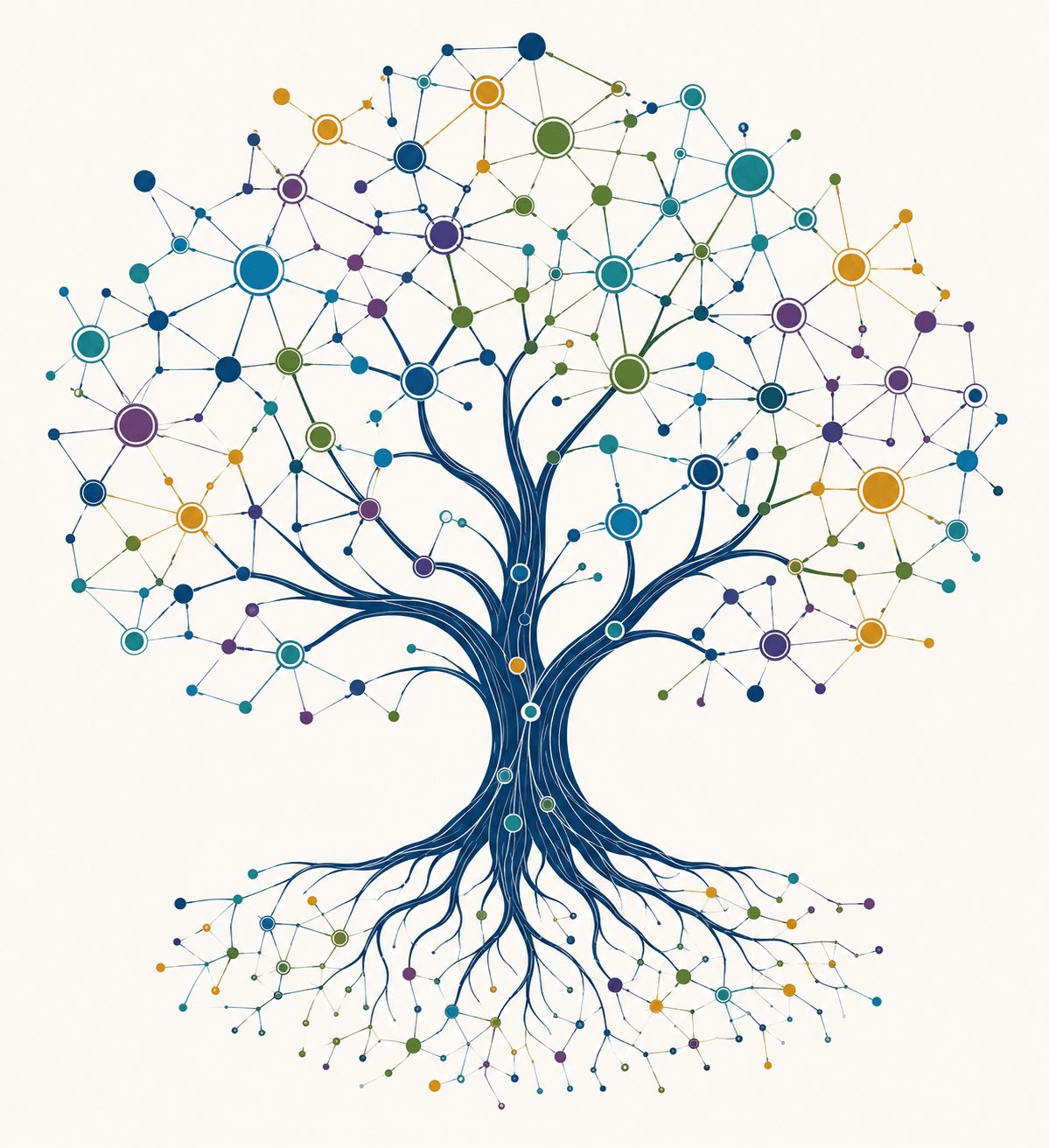
The foundational project of Silverfields Institute is to promote human progress through a process that fuses education, research, and information management. We seek to develop and share material relating to science, philosophy, and world civilizations, using 21st century tools and methods to organize knowledge spanning centuries of human development, and to render that knowledge in a form that will aid in understanding ideas that continue to shape the world. We explore these ideas through advanced research techniques and relate them to one another using knowledge graphs.
Rediscovering Our Revolutionary Tradition
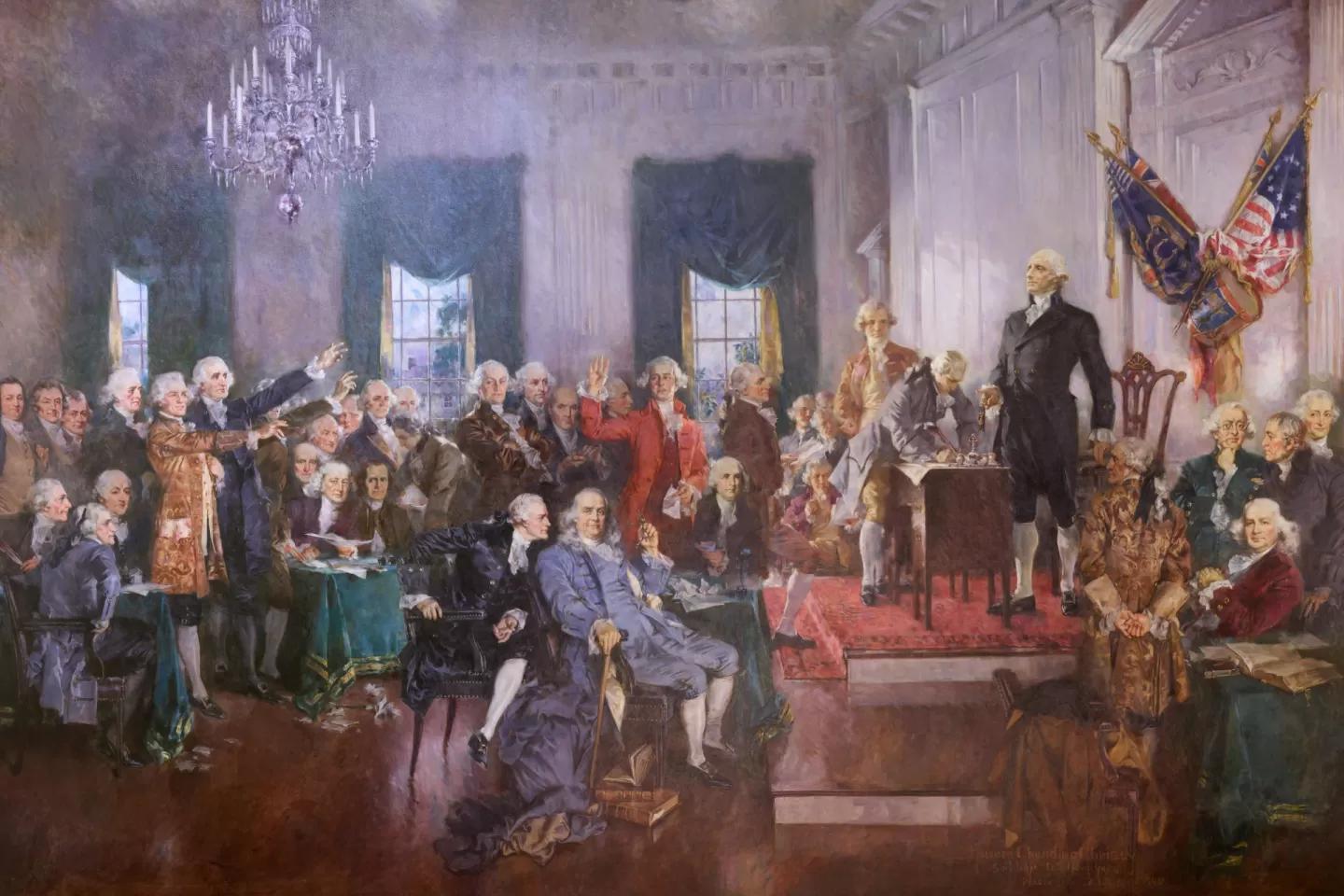
We have applied to the National Endowment for the Humanities for grant funding to support the establishment of the digital tools and infrastructure required for the analysis and modeling of historic document collections under preservation and for making the results publicly available online. The work includes research concerning the collections and their content, analysis of the contributions of the collections to the Revolutionary Tradition, development of knowledge graphs and visualizations to render the results readily understandable to a wide audience, and the creation and maintenance of one or more websites for public use.
The project will create visualizations depicting the key ideas and claims contained in the documents, and will relate those ideas–and the documents in which they are expressed–to one another. For example, our project will trace an idea such as “separation of powers” from its expression in Montesquieu’s Spirit of Laws, using multiple translations, and will follow the idea’s development and influence through conserved collections, including the notes and correspondence of delegates to state ratifying convention debates, Revolutionary Era pamphlets and broadsides, and the working notes and correspondence of the Founders and those who influenced the development of the Revolutionary Era tradition. Once such a thread is defined, we will use graph modeling technology to create easily understood knowledge graphs that display the links between the sources and the path traveled by a concept or argument to its ultimate application in the nation’s founding documents. In this way, the work of document conservation will be given new meaning through the use of modern tools that will help Americans to understand the actual roles played by these documents in the founding of the nation and their true value to our culture.
Collaborative Research
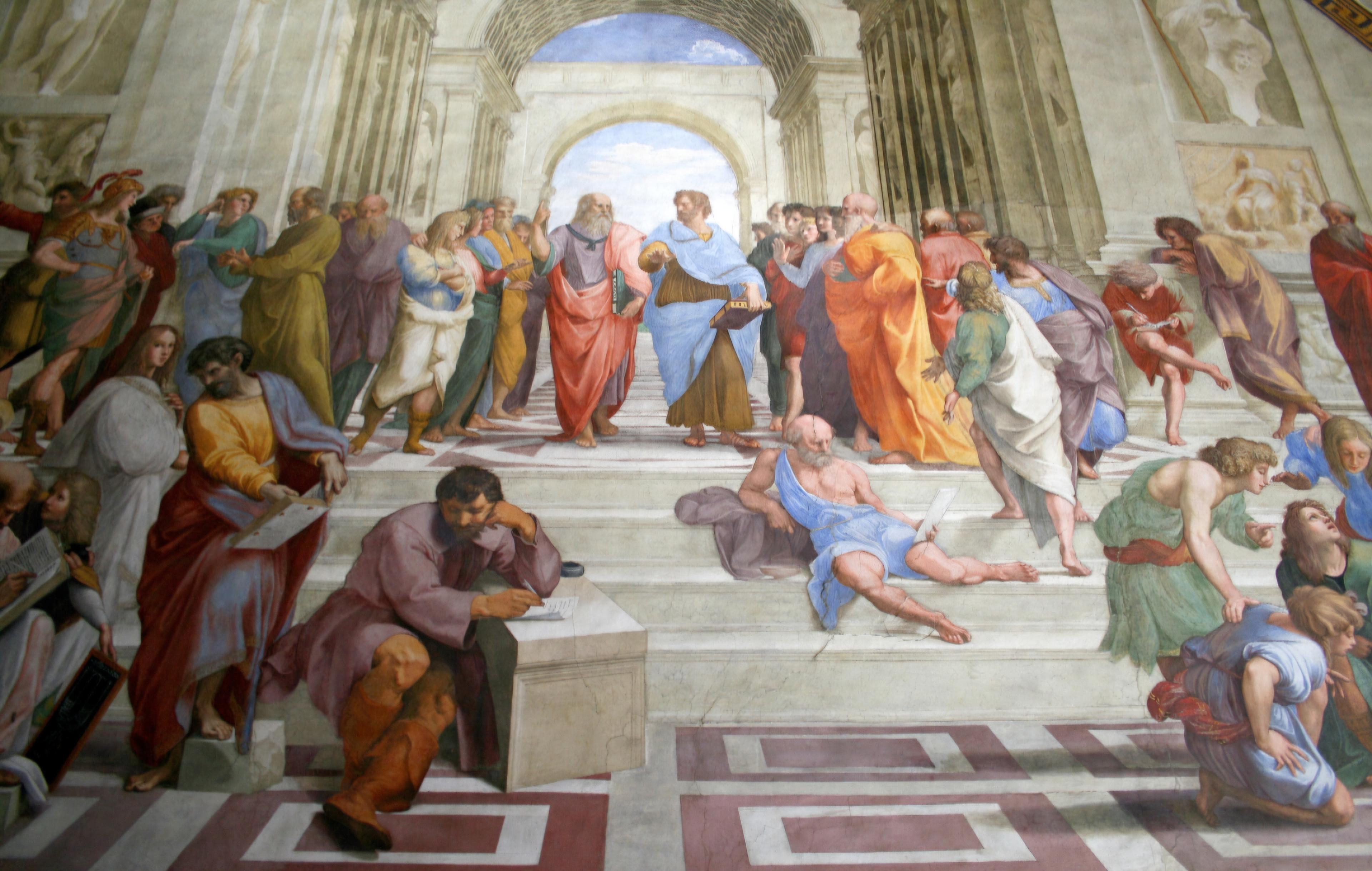
We have applied to the National Endowment for the Humanities for grant funding to demonstrate the influence of philosophical principles on the work of theFounding Fathers in designing our country’s governance structure. Outputs will focus on enabling citizens to visualize the maturation of key concepts, over time, and the culmination of that development in the drafting of the Constitution and its Bill of Rights. Our aim is to improve the quality of political rhetoric through the use of modern tools to shape discussions of the critical issues that confront our nation. The result: an informed citizenry, capable of thoughtful and well-considered participation in our political processes. We intend to accomplish this through the use of argument modeling and knowledge graphs to capture the claims and supporting arguments of the philosophers whose work most influenced the Founding Fathers.
The project will develop sample visualizations from the graph data and examine how the knowledge graphs might support learning, research, and discovery of new insights from the body of philosophical content. The expected outputs of the project are draft manuscripts for publication in both academic journals and periodicals aimed at general audiences. These manuscripts will be supported by in-depth knowledge graphs. The manuscript output will follow multiple approaches:
- Content developed for general audiences will explain the ways in which our Founding Fathers used the ideas of great philosophers in shaping our governance structure and will encourage readers to understand these ideas. Knowledge graphs will make the information more accessible to those lacking a deep background in philosophy.
- Content developed for academic journals will describe the project and its findings, particularly whether these methods (graph storage, argument modeling, visualizations) can make philosophical content more accessible to general audiences, as well as researchers, and if so, how the graph might be expanded and maintained by members of the community of philosophy scholars. The knowledge graph will be stored in a database and will contain a set of philosophical arguments, along with supporting information about the philosophers, their works, and the historical contexts within which they lived and wrote.